|
 Videos Videos
|
 |
|
 |
|
 |
|
 |
|
Two species of shrimp at the hydrothermal vents at NW Rota 1 volcano.
|
|
Collecting an unusual species of shrimp found at the hydrothermal vent.
|
|
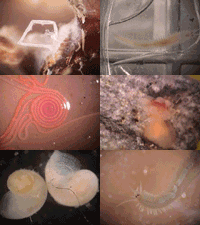
 Scientists investigate Manning Seamount marine life collected from the Hercules biobox and basalt block.
|
|
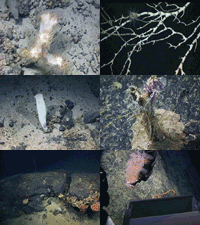
Assorted images from the slopes of Bear Seamount.
|
|
|
|
|
|
|
|
 |
|
 |
|
 |
|
 |
|
See a sea star prey upon bamboo coral.
|
|
Basalt rocks covered in sea stars, crinoids, brisingid sea stars, sponges, and corals.
|
|
A few swarms of crabs, scavenging on some dead fish.
|
|
Spider crabs, Macroregonia macrochira, collected at 2,900 m depth on Pratt Seamount.
|
|
|
|
|
|
|
|
 |
|
 |
|
 |
|
 |
|
See how a snail fish (family Liparidae) was collected with the Alvin’s suction gun.
|
|
View a slide show of some of the sponges of the Alaska Seamounts.
|
|
A scarlet king crab from the genus Lithodes, which means "rock-shaped," is dissected in the lab.
|
|
A Mastigoteuthis squid, approximately six ft in length over 1,600 ft below the surface.
|
|
|
|
|
|
|
|
 |
|
 |
|
 |
|
 |
|
Video shot over 1,700 ft down in the Gulf of Mexico, shows the fluorescence of a benthic sea spider.
|
|
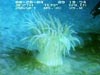
A huge sea anemone retrieved during the submersible dive.
|
|
A red gerion crab running along the sandy bottom.
|
|
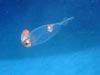
A bathyscaphoid squid swimming.
|
|
|
|
|
|
|
|
 |
|
 |
|
 |
|
 |
|
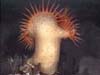
A Venus Fly Trap sea anemone.
|
|
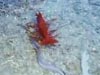
A giant red shrimp hovers just above the sea floor.
|
|
Slideshow of benthic invertebrates from the Charleston Bump.
|
|
Various sponges and octocorals collected during the "Deep Sea Medicines 2003 Expedition."
|
|
|
|
|
|
|
|
 |
|
 |
|
 |
|
 |
|
Crinoid swimming.
|
|
Squid swim.
|
|
collecting a crab sample.
|
|
Video of a sponge being collected.
|
|
|
|
|
|
|
|
 |
|
 |
|
 |
|
 |
|
Invertebrate slideshow.
|
|
Jellyfish encounter.
|
|
Invertebrate slideshow.
|
|
Organisms that live in the ice.
|
|
|
|
|
|
|
|
 |
|
 |
|
 |
|
 |
|
ROV sampling and a jellyfish swim.
|
|
Astoria Canyon Sights
|
|
Alvinocarid shrimp
|
|
Octopi
|

|
|
Images
|
|
Sponges (Phylum Porifera)
|
 |
|
|
|
|
|
|
|
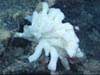
Beautiful white sponge with purple crinoids on Retriever Seamount. (HR)
|
|
|
|
|
|
|
|
|
|
|
|
|
|
 |
|
 |
|
 |
|
 |
|
Sponge encrusted rock collected at the Blake Ridge.
|
|
A "chimney" sponge and a fan-like sponge with associated sediment pile.
|
|
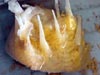
A "chimney" sponge may reveal new symbioses not previously witnessed. (HR)
|
|
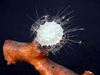
Glass sponge, found at a depth of more than 1500 feet.
|
|
|
|
|
|
|
|
 |
|
 |
|
 |
|
 |
|
A Clathria sponge. (HR)
|
|
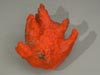
The bright-orange Forcepia sponge. (HR)
|
|
An unexpected finds during the first dive, Acarnus sp. (HR)
|
|
Recovered on the second dive a sponge from the Verongida family. (HR)
|
|
|
|
|
|
|
|
 |
|
 |
|
 |
|
 |
|
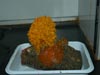
The sponge Forcepia is the source of the lasonolides. (HR)
|
|
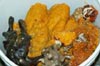
Marine sponges collected during a single ROV dive at the West Flower Garden. Bank (HR)
|
|
A piece of basalt collected at 162’ (HR)
|
|
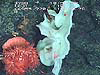
Sponge and anemone
|
|
|
|
|
|
|
|
 |
|
 |
|
 |
|
 |
|
Horn-shaped vase sponges
|
|
A bizarre elephant sponge
|
|
Skeleton shrimp.
|
|
Gooseneck barnacles.
|
|
|
|
|
|
|
|
 |
|
 |
|
 |
|
 |
|
A hexactinellid sponge that anchors itself in the sediment with elongate spicules
|
|
White cup sponges.
|
|
A very large hexactinellid sponge
|
|
The Venus flower basket sponge.
|
|
|
|
|
|
|
|
 |
|
 |
|
 |
|
 |
|
Microscopic spicules from Gorgonacea sp. of sponge.
|
|
Microscopic spicules from a pachastrellid sponge.
|
|
Newly-discovered species of sponge that looks like a Christmas tree.
|
|
A hard sponge
|
|
|
|
|
|
|
|
 |
|
 |
|
 |
|
 |
|
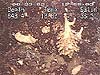
Unidentified sponge.
|
|
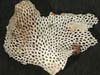
Deepwater lacy bryozoan.
|
|
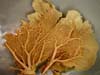
Phakellia sp. Deepwater fan sponge.
|
|
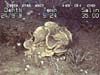
Leiodermatium sp., a deepwater sponge.
|
|
|
|
|
|
|
|
 |
|
 |
|
 |
|
 |
|
Glass sponge with zooanthids attached.
|
|
Deep sea glass sponges retrieved at 1400 feet.
|
|
A particularly colorful sponge collected at 198 ft.
|
|
A commensal amphipod emerges from a stinking vase sponge.
|
|
|
|
|
|
|
|
 |
|
 |
|
 |
|
 |
|
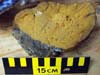
The fire sponge, Tedaria ignis.
|
|
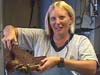
Stacie Crowe holds the stinking sponge Ircinia campana.
|
|
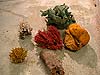
Variety of sponges
|
|
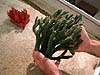
Unidentified sponge
|
|
|
|
|
|
|
|
 |
|
|
|
|
|
|
|
Baseball mitt-shaped sponge
|
|
|
|
|
|
|
|
|
|
|
|
|
|
|
|
|
|
|
|
|
|
Jellyfish and Sea Anemones (Phylum Cnidaria)
|
 |
|
|
|
|
|
|
|
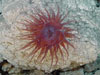
Purple anemone on a pumice rock along the east crater wall of West Rota volcano. (HR)
|
|
|
|
|
|
|
|
|
|
|
|
|
|
 |
|
 |
|
 |
|
 |
|
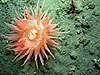
The rare and highly poisonous berried anemone of the Diaphus Bank. (HR)
|
|
Fields of white anemones along with a occasional orange gorgonians.
|
|
A deep-water anemone. (HR)
|
|
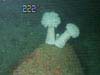
White-plumed anemone on the ocean bottom. (HR)
|
|
|
|
|
|
|
|
 |
|
 |
|
 |
|
 |
|
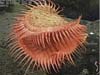
A flytrap anemone.
|
|
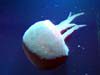
An unknown species of jellyfish.
|
|
A jellyfish. (HR)
|
|
Sea anemone.
|
|
|
|
|
|
|
|
 |
|
 |
|
 |
|
 |
|
A large grouping of deep ocean sea anemones
|
|
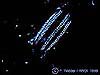
Bioluminescence emitted by a comb jelly
|
|
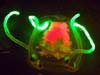
A small planktonic jellyfish with green-fluorescent tentacles.
|
|
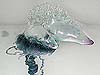
A tiny and very dangerous Portugese Man-O-War jellyfish
|
|
|
|
|
|
|
|
 |
|
 |
|
 |
|
 |
|
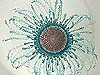
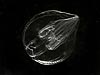
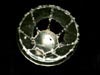
Porpida porpida has a small disc like body and floats freely in the water column.
|
|
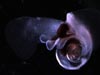
A pelagic pteropod.
|
|
A juvenile Bolinopsis ctenophore.
|
|
Botrynema ellinorae.
|
|
|
|
|
|
|
|
 |
|
 |
|
 |
|
 |
|
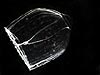
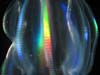
The hydomedusae Aglantha digitale.
|
|
The ctenophore Mertensia ovum.
|
|
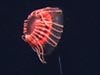
The midwater hydromedusae Atolla tenella.
|
|
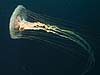
The scyphomedusae Chrysaora melanaster.
|
|
|
|
|
|
|
|
 |
|
 |
|
 |
|
 |
|
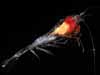
Midwater shrimp, Hymendora glacialis.
|
|
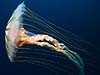
Chrysaora jelly.
|
|
Medusae jellyfish
|
|
Jellyfish
|
|
|
|
|
|
|
|
 |
|
 |
|
 |
|
|
|
Anemone wall
|
|
Deep sea anemone
|
|
Anemone, white coral, and a tanner crab
|
|
|
|
|
|
|
|
|
|
|
|
|
|
|
|
|
|
Sea Stars, Brittle Stars, Sea Urchins, Crinoids, and Sea Cucumbers (Phylum Echinodermata)
|
 |
|
 |
|
 |
|
 |
|
Stalked crinoid on the caldera sea floor at West Rota volcano. (HR)
|
|
Bouquet of Corallium with deep purple Trachythela octocoral, brittle stars, crinoids, and sponges. (HR)
|
|
A close look at Metallogorgia with basket star. (HR)
|
|
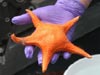
An asteroid sea star collected while feeding on coral. (HR)
|
|
|
|
|
|
|
|
 |
|
 |
|
 |
|
 |
|
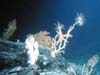
Crinoids, a sea star, and an anemone.
|
|
Miscellaneous invertebrates from Bear seamount.
|
|
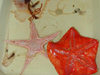
A large brisingid sea star collected from Manning Seamount.
|
|
A pencil urchin with tubeworms attached to its spines. (HR)
|
|
|
|
|
|
|
|
 |
|
 |
|
 |
|
 |
|
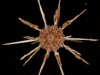
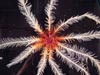
A colorful crinoid is just one of the interesting creatures collected.
|
|
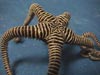
This species of brittlestar (Astroporpa annulata) is related to basket stars and lives clinging to soft corals.
|
|
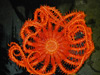
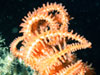
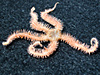
Bright orange Brittle Star.
|
|
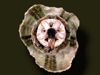
Broken urchin, with its Aristotle’s Lantern fully exposed but intact.
|
|
|
|
|
|
|
|
 |
|
 |
|
 |
|
 |
|
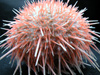
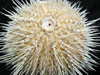
A beautiful pale orange and white sea urchin.
|
|
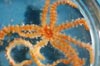
Observing the locomotion of a brittle star.
|
|
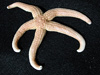
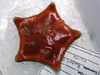
Sea star collected for analysis back at one of the onshore laboratories.
|
|
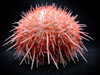
Sea urchin collected for analysis at the onshore laboratories.
|
|
|
|
|
|
|
|
 |
|
 |
|
 |
|
 |
|
Sea urchin, collected during the JSL dive.
|
|
Pillow Star
|
|
A delicate juvenile sea star, Coronaster briareus. (HR)
|
|
A beautiful urchin, Astropyga magnifica. (HR)
|
|
|
|
|
|
|
|
 |
|
 |
|
 |
|
 |
|
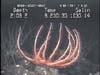
Brittlestars reflect the broad diversity of organisms.
|
|
A Brittle Star aggregation in the sandy channels at Cordell Bank.
|
|
A sea star
|
|
A red sea star (Virsingia sp.).
|
|
|
|
|
|
|
|
 |
|
 |
|
 |
|
 |
|
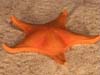
Coelopleurus floridanus, a beautiful red sea urchin.
|
|
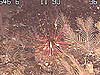
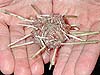
A pencil urchin brought up from one of the trawls.
|
|
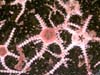
Tiny brittlestars. (HR)
|
|
Seabeam map of Northampton Seamount.
|
|
|
|
|
|
|
|
 |
|
 |
|
 |
|
 |
|
Summary I A "flying" sea cucumber.
|
|
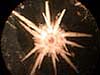
Microscopic urchin
|
|
Pencil urchin, brittle stars, and Lophelia coral
|
|
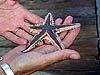
Sea star
|
|
|
|
|
|
|
|
 |
|
 |
|
 |
|
 |
|
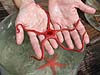
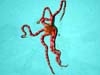
Giant red brittle star
|
|
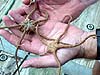
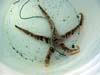
Brown-striped brittle stars
|
|
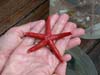
Red sea star
|
|
Sea star and whip coral
|
|
|
|
|
|
|
|
 |
|
 |
|
 |
|
 |
|
Brittle star
|
|
Rosethorn rockfish and crinoids
|
|
Crinoids and sponges
|
|
Basketstars
|
|
|
|
|
|
|
|
 |
|
 |
|
 |
|
 |
|
A featherstar and sponges
|
|
Basketstars
|
|
Sea stars
|
|
Seastar and shells
|
|
|
|
|
|
|
|
 |
|
 |
|
 |
|
|
|
White sponge and reddish crinoids
|
|
Dover sole and pink sea urchins
|
|
Black crinoid
|
|
Sea stars and sea cucumbers
|
|
|
|
|
|
|
|
 |
|
 |
|
|
|
|
|
White sea cucumber communities
|
|
Sea urchin and 4 types of brittle stars
|
|
|
|
|
|
|
|
|
|
|
|
|
|
|
|
|
|
|
|
Squids, Octopi, Snails, Clams, and Mussels (Phylum Mollusca)
|
 |
|
 |
|
 |
|
 |
|
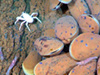
Conical limpets (2cm, 0.75 in) cover the rock surfaces at East Diamante. (HR)
|
|
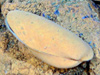
In places at NW Eifuku, mussels are so dense they obscure the bottom. (HR)
|
|
The vent mussel Bathymodiolus. (HR)
|
|
Galatheid crabs and shrimp graze on bacterial filaments. (HR)
|
|
|
|
|
|
|
|
 |
|
|
|
|
|
|
|
April 2
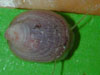
Limpets were seen grazing near the seeping fluids. (HR)
|
|
|
|
|
|
|
|
|
|
|
|
|
|
 |
|
 |
|
 |
|
 |
|
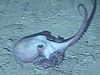
A large purple octopus.
|
|
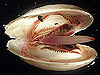
Three live nautiliniellid worms in the mantle cavity of the clam..
|
|
Giant mussel.
|
|
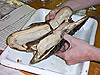
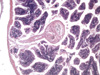
Cross-section of a female vesicomyid clam.
|
|
|
|
|
|
|
|
 |
|
 |
|
 |
|
 |
|
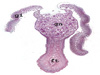
Muscle in a vesicomyid foot.
|
|
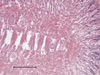
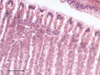
Epithelium of vesicomyid clam gill covered with cilia.
|
|
Epithelium of vesicomyid clam gill covered with cilia.
|
|
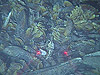
Bed of adult and juvenile mussels.
|
|
|
|
|
|
|
|
 |
|
 |
|
 |
|
 |
|
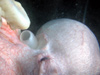
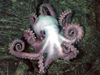
Octopus, often collected and shipped to the Smithsonian for analysis.
|
|
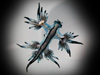
This iridescent nudibranch looks like a creature from another planet.
|
|
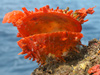
Spiny oyster and conglomerate.
|
|
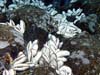
Large clams and mussels line the cracks between the pillow lavas.
|
|
|
|
|
|
|
|
 |
|
 |
|
 |
|
 |
|
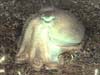
Octopus. (HR)
|
|
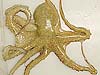
A deep sea octopus
|
|
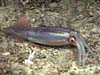
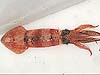
A squid found by the observers aboard the JSL
|
|
An Arrow squid measuring almost two feet long.
|
|
|
|
|
|
|
|
 |
|
 |
|
 |
|
 |
|
This octopus was captured in an "Otter” trawl.
|
|
Animals found living in sandy sediments near rocky reefs.
|
|
Typical benthic invertebrates include marine worms, tiny crustaceans, clams, and snails.
|
|
A turkey wing mussel (Genus Arca).
|
|
|
|
|
|
|
|
|
|
 |
|
 |
|
 |
|
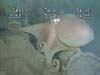
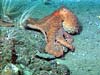
Octopi
|
|
Squid
|
|
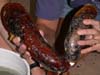
Octopus
|
|
Octopus
|
|
|
|
|
|
|
|
 |
|
 |
|
 |
|
 |
|
Chemosynthetic mussel
|
|
Deep sea clam
|
|
Mussel bed
|
|
Mussel with gills exposed
|
|
|
|
|
|
|
|
 |
|
 |
|
 |
|
|
|
Mollusc egg casings
|
|
Clams
|
|
Mussels
|
|
|
|
|
|
|
|
|
|
|
|
|
|
|
|
|
|
Crabs and Shrimp (Phylum Crustacea)
|
 |
|
 |
|
 |
|
 |
|
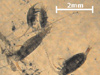
Some common zooplankton collected near East Diamante volcano. (HR)
|
|
April 5
Close-up of a vent barnacle that we’re trying to identify. (HR)
|
|
April 2
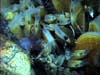
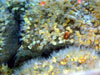
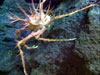
Small crabs and shrimp actively roam the venting area.
|
|
March 30
Unusual spiny crab. (HR)
|
|
|
|
|
|
|
|
 |
|
|
|
|
|
|
|
May 21
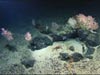
A crab strikes an aggressive pose. (HR)
|
|
|
|
|
|
|
|
|
|
|
|
|
|
 |
|
 |
|
 |
|
 |
|
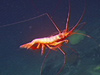
A deep sea shrimp out in open water.
|
|
Ice shrimp.
|
|
A parasitic crustacean. (HR)
|
|
A tiny shrimp appears to mimic the translucent color of the glass sponge it inhabits.
|
|
|
|
|
|
|
|
 |
|
 |
|
 |
|
 |
|
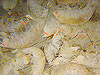
A mass of amphipods collected with the carrion trap. (HR)
|
|
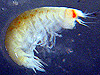
A close-up view of a tiny shrimp (amphipod).
|
|
Cumaceans, also called lollipop shrimp.
|
|
Isopods of the order of Crustacea.
|
|
|
|
|
|
|
|
 |
|
 |
|
 |
|
 |
|
This little gooseneck barnacle only eats crab carapaces.
|
|
The golden crab (Chaceon fenneri) with a black-bellied rose fish. (HR)
|
|
The deep-water galatheid Eumunida picta Longispina are commonly seen on the Lophelia mounds. (HR)
|
|
Nezumia forage along the edge of a basalt outcrop. (HR)
|
|
|
|
|
|
|
|
 |
|
 |
|
 |
|
 |
|
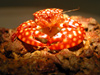
Portunid crab
|
|
Squat lobster.
|
|
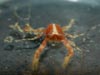
Porcelain crab.
|
|
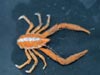
The shrimp Tuleariocaris neglecta. (HR)
|
|
|
|
|
|
|
|
 |
|
 |
|
 |
|
 |
|
A dorsal view of a small squat lobster, Galathea sp. (HR)
|
|
The three-toothed squat lobster, Munidopsis tridentata. (HR)
|
|
The painted squat lobster is a newly documented species in the Gulf of Mexico.
|
|
A painted squat lobster collected at Viosca Knoll.
|
|
|
|
|
|
|
|
 |
|
 |
|
 |
|
 |
|
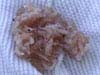
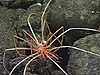
A close-up view of a painted squat lobster collected at Viosca Knoll.
|
|
Krill and phytoplankton.
|
|
Krills from one of the ships engine filters.
|
|
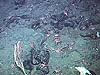
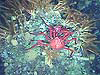
A molting sea spider.
|
|
|
|
|
|
|
|
 |
|
 |
|
 |
|
 |
|
Juvenile crab
|
|
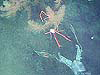
Scarlet king crabs
|
|
Pincher collection
|
|
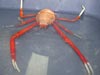
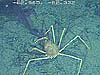
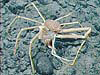
Spider crab missing limbs.
|
|
|
|
|
|
|
|
 |
|
 |
|
 |
|
 |
|
Adult male spider crab eating a female spider crab.
|
|
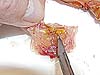
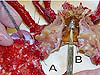
Gastric mill and teeth. |
|
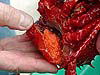
Crab ganglia. |
|
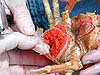
Couesi eggs. |
|
|
|
|
|
|
|
 |
|
 |
|
 |
|
 |
| Macroreg eggs. |
|
Golden crab
|
|
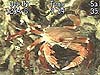
Unidentified crab in front of sponge.
|
|
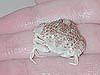
An unusual species of crab observed for the first time at the Lophelia coral banks.
|
|
|
|
|
|
|
|
 |
|
 |
|
 |
|
 |
|
A deep sea anemone and galatheid crabs seen on the Lophelia coral banks
|
|
A member of the calappidae family of crabs.
|
|
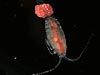
Copepod with eggs.
|
|
The amphipod, Gammarus wilkitzkii.
|
|
|
|
|
|
|
|
 |
|
 |
|
 |
|
 |
|
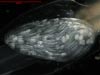
Close-up of egg sac.
|
|
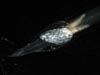
Eukrohnia hamata with egg sac.
|
|
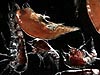
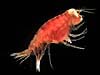
Amalgam of amphipods.
|
|
A midwater amphipod species.
|
|
|
|
|
|
|
|
 |
|
 |
|
 |
|
 |
|
Gammarus wilkitzkii, a n under-ice amphipod. (HR)
|
|
A hermit crab and invertebrate.
|
|
These crabs are members of the galatheid family, commonly known as squat lobsters.
|
|
A variety of invertebrates
|
|
|
|
|
|
|
|
 |
|
 |
|
 |
|
 |
|
Red crab, Chayceon quinquedens
|
|
Crab
|
|
Crab megalops
|
|
Deep-sea mussels and crab
|
|
|
|
|
|
|
|
 |
|
 |
|
 |
|
 |
|
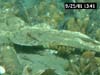
Box crab
|
|
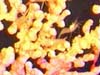
Porous mudstone and shrimp
|
|
Shrimp in deep-sea corals
|
|
Alvinocaris shrimp and mussel bed
|
|
|
|
|
|
|
|
 |
|
 |
|
|
|
|
|
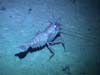
Shrimp
|
|
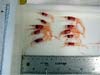
Shrimp
|
|
|
|
|
|
|
|
|
|
|
|
|
|
|
|
|
|
|
|
Marine Worms
|
 |
|
 |
|
 |
|
|
|
A close-up of the tubeworm Lamelli brachia. (HR)
|
|
A strange spoon worm, an elegant sea pen, a stalked crinoid, and two xenophyophores with brittle stars. (HR)
|
|
Microscopic image of Eunice norvegica worm. (HR)
|
|
|
|
|
|
|
|
|
|
 |
|
 |
|
 |
|
 |
|
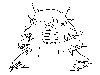
Dorsal (top) view of the anterior (front) end of the new nautiliniellid polychaete.
|
|
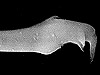
Ventral (bottom) view of anterior (front) end of the new nautiliniellid polychaete.
|
|
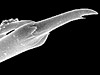
Simple hooked chaetae in anterior segments.
|
|
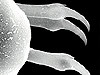
Trifurcate chaetae in posterior segments.
|
|
|
|
|
|
|
|
 |
|
 |
|
 |
|
 |
|
Trifurcate (3-branched) chaetae on posterior segments.
|
|
Riftia tubeworms, mussels, and scavenging crabs at a hydrothermal vent.
|
|
Live nautiliniellid worm.
|
|
Chaetopterid polychaete removed from parchment-like tube.
|
|
|
|
|
|
|
|
 |
|
 |
|
 |
|
 |
|
Scientists discovered this syllid attached to a rock. (HR)
|
|
Pin size tube worms found at the base of the orange sponge. (HR)
|
|
Tubeworms at the Rose Bud site.
|
|
Tube worms collected at an unknown vent site.
|
|
|
|
|
|
|
|
 |
|
 |
|
 |
|
 |
|
Tiny tubes built as housing by serpulid tube-worms.
|
|
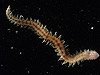
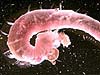
Polycheate worm. (HR)
|
|
Iceworm
|
|
Tubeworms and soft corals
|
|
|
|
|
|
|
|
 |
|
 |
|
|
|
|
|
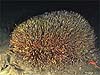
Tube worm colonies
|
|
Closeup of tube worm colonies
|
|
|
|
|
|
|
|
|
|
|
|
|
|
|
|
|
|
|
|
Protozoans (Phylum Rhizopoda)
|
 |
|
 |
|
 |
|
 |
|
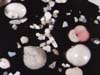
Unusually large single-celled protazoan organism.
|
|
Xenophyophores
|
|
Foraminifera
|
|
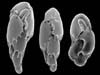
Foraminiferan shells
|
|
|
|
|
|
|
|



