2013 ROV Shakedown and Field Trials in the U.S. Northeast Canyons

Featured Content

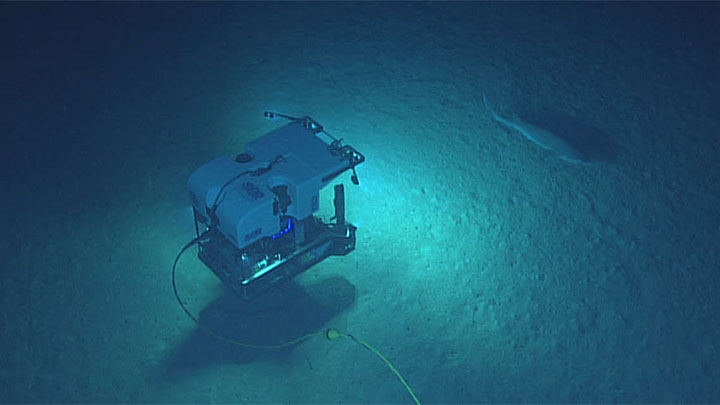
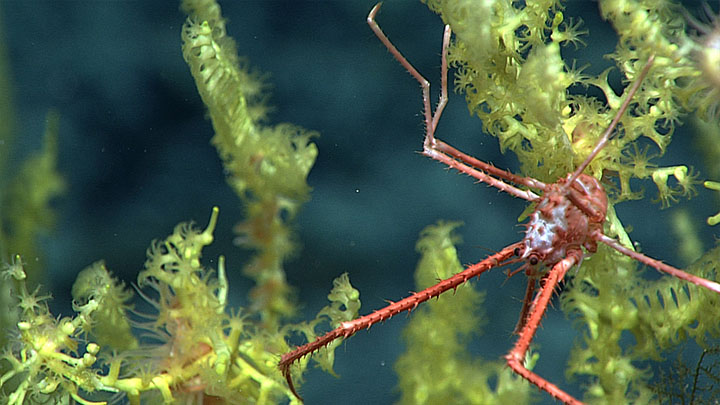
2013 ROV Shakedown and Field Trials in the U.S. Atlantic Canyons: Follow along as the Okeanos Explorer team "shakes down" a new remotely operated vehicle (ROV) capable of diving to depths of 6,000 meters. Watch LIVE as the team runs the ship’s sonars and ROV systems through a strategic series of engineering tests.

camera icon LIVE Video Feeds

Okeanos Atlas

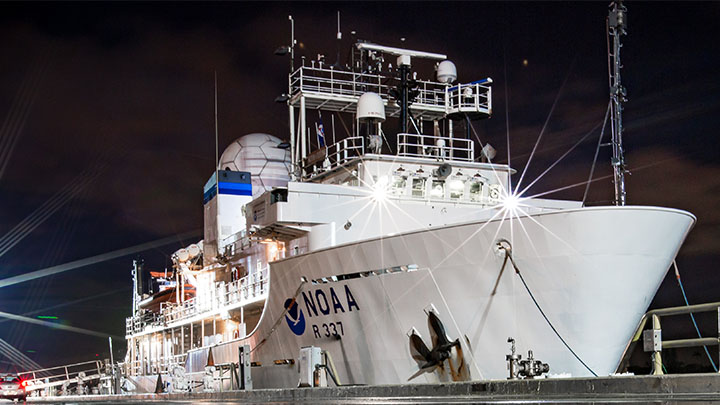
NOAA ship Okeanos Explorer Sand Point, WA facility Google Map.

Access data collected during past Okeanos Explorer expeditions via the Okeanos Atlas.

Okeanos Explorer Signature Expeditions

Gulf of Mexico 2012: Follow exploratory investigations on the diversity and distribution of deep-sea habitats and marine life in the northern Gulf of Mexico.

Mid-Cayman Rise 2011: Travel to the deepest part of the Caribbean Sea to explore the geology, marine life, and hydrothermal systems of the Mid-Cayman Rise.

Galápagos Rift 2011: Embark on a unique expedition to one of the most fascinating areas of the world’s oceans, to explore the water column and benthic environments in the Galápagos region.

INDEX 2010: “Indonesia-USA Deep-Sea Exploration of the Sangihe Talaud Region”: Discover the undersea ecosystems with the Indonesian ‘Coral Triangle Region,’ the global heart of shallow-water marine biodiversity.

Be sure to learn about all of Okeanos Explorer’s expeditions.

NOAA ship Okeanos Explorer Sand Point, WA facility Google Map.Okeanos Explorer
Education Materials

Bring the excitement of late-breaking ocean discoveries to your classroom through lesson plans, curricula, Expedition Education Modules, the NOAA Ship Okeanos Explorer Materials Collection, and more.


Voyages Of Discovery

The NOAA Ship Okeanos Explorer is a ship of discovery. Scientists and technicians on board work with shore-based exploration teams to use remotely operated vehicles (ROVs) and other sensors and systems to conduct preliminary investigations, developing enough data to provide an energized science community with justification for future investigations.

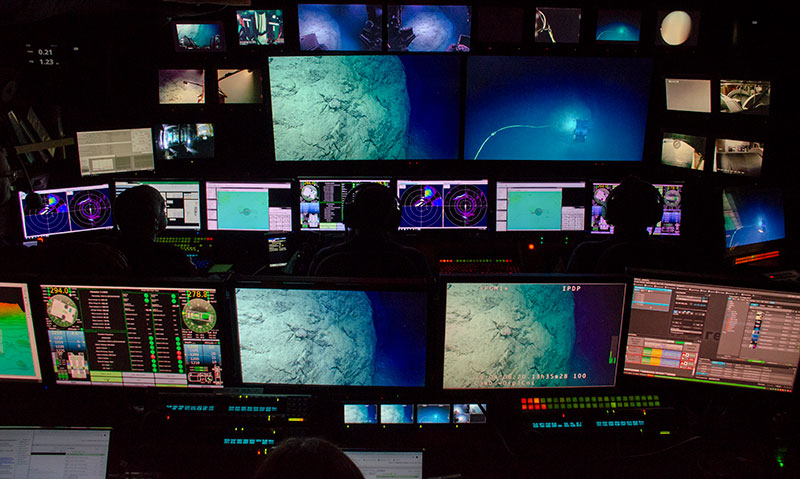
Unlike many other ocean expeditions supported by NOAA, scientists remaining on shore and participating in Okeanos Explorer expeditions often outnumber scientists on the ship. Via telepresence, live images from the seafloor and other science data travel over satellite and high-speed Internet pathways to scientists standing watches in any of five Exploration Command Centers ashore as well as anyone with an Internet connection.

[top]